
More Than Water: A New Vision for Kitui
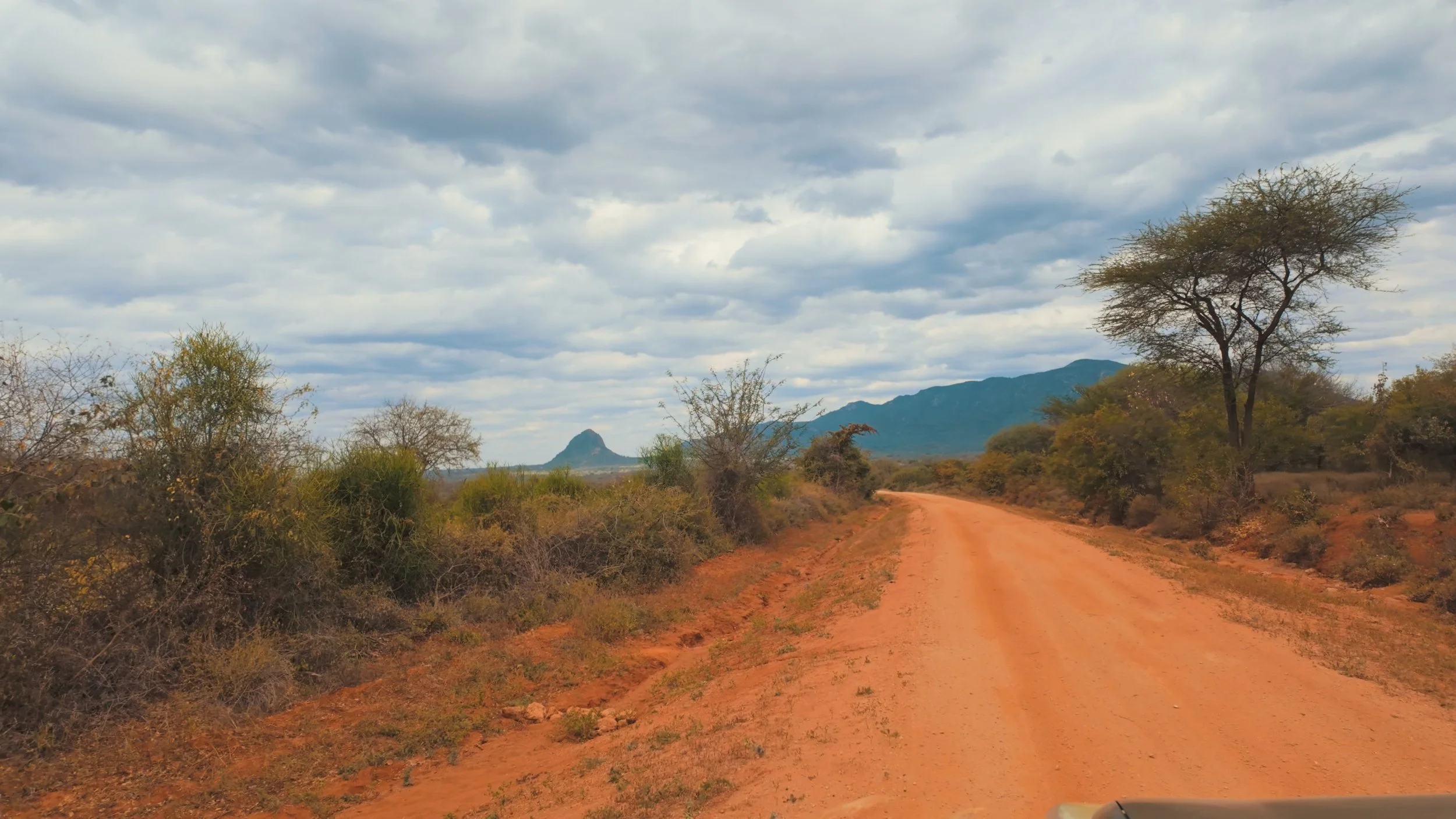
When Becoming Love first began working in Kenya five plus years ago, much of our involvement centered on meeting practical needs.
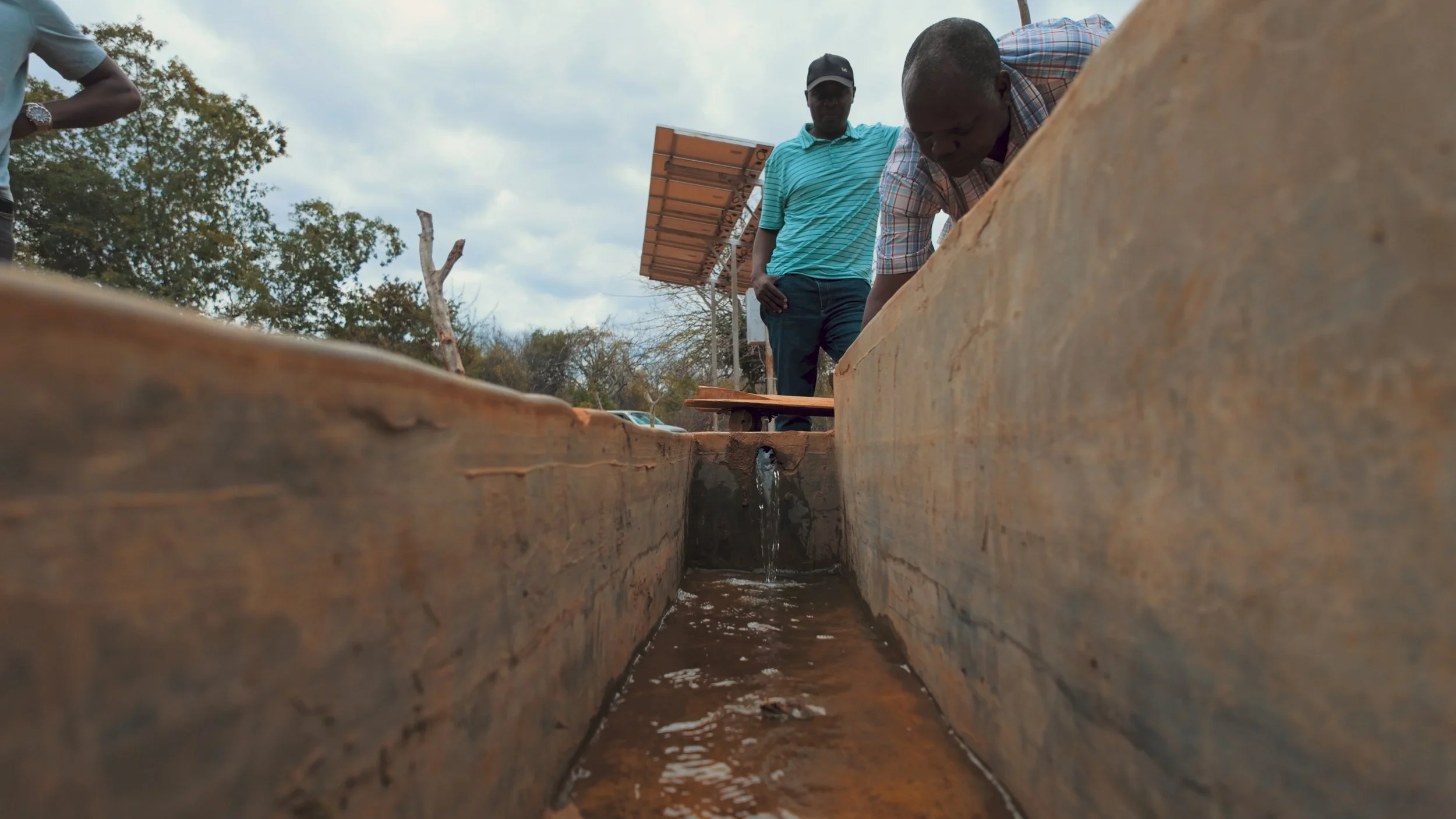
One of the clearest examples is clean water.
In rural communities, a water well can affect every part of life. It gives families safer water to drink. It supports livestock and agriculture. It helps children spend more time in school and less time traveling to collect water. It can bring stability to an entire village.
One good well is vital to the quality of life for, literally, thousands of people.
Jesus never treated physical suffering as though it were unimportant. He saw people in their actual circumstances and responded with compassion.
But during my first trip to Kenya, it became clear that the Lord may be inviting Becoming Love into something broader.
We went to see wells.
We came home with a vision for something even deeper.
"We went to see wells. We came home with a vision for something even deeper."
One of my main goals for my trip in July of 2025 was to spend time with the Kenyan team that has worked alongside Becoming Love for several years.
Reports and video calls can only tell you so much. I wanted to sit with these men, watch them interact with one another, listen to their vision, and see the fruit of their lives.
What I found was incredibly encouraging.
Jacob, Mesh, and Fred each carry something different.
Jacob is a shepherd and leader. Mesh carries a strong burden for prayer and often serves as a prophetic voice. Fred is a mountain of a man with a heart for discipleship. All three care deeply about evangelism and reaching people who have been overlooked.
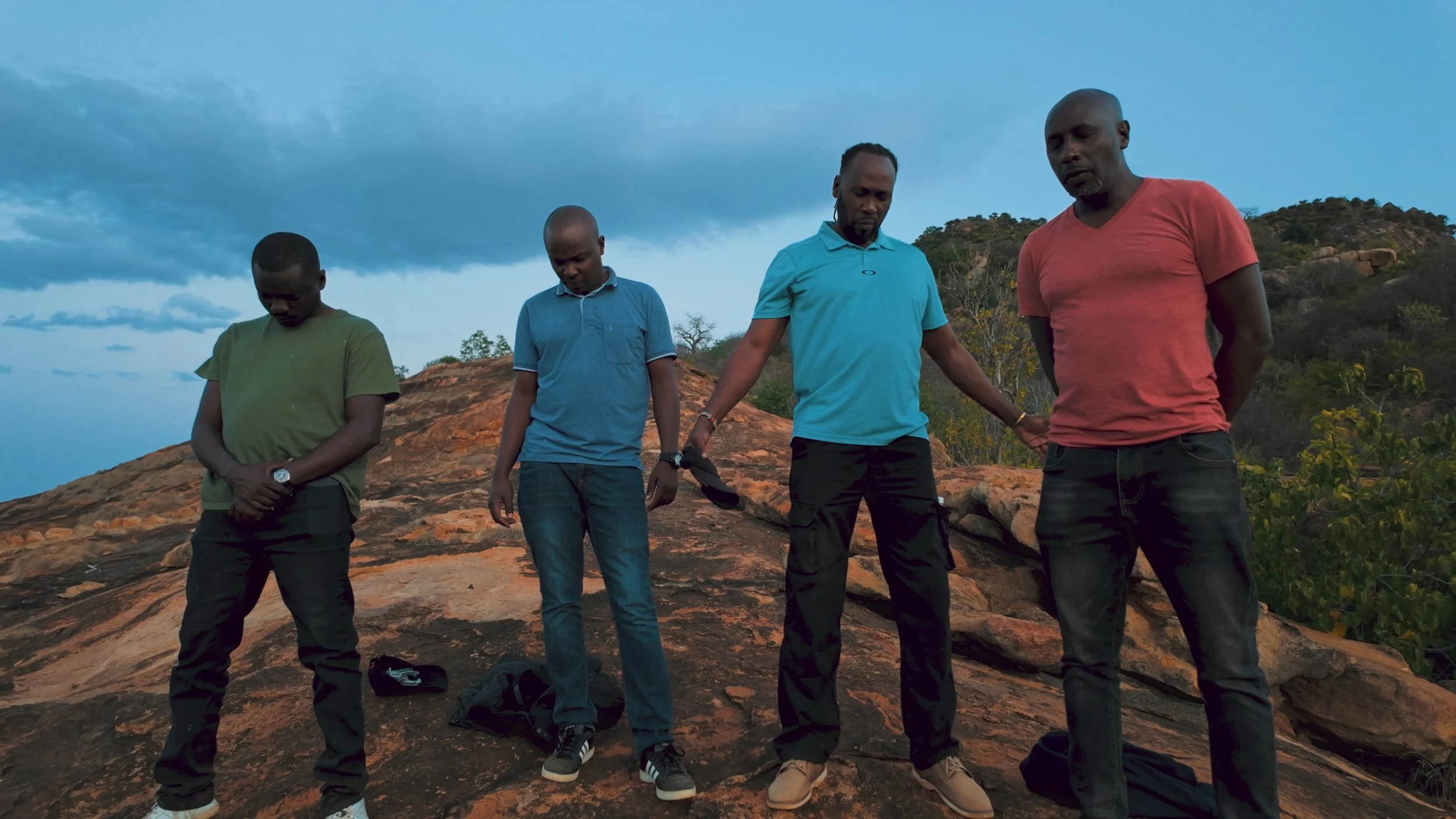
They are not waiting for an organization from America to give them something to do. They are already changing the spiritual climate in their nation.
They minister inside local prisons and have been given access to several more. They have built relationships with inmates and former inmates. They participate in evangelism and food distribution in Nairobi's slums. They pray together. They dream about what a mature, praying, missional Christian community could look like in their nation.
They are also family, which gives them years of shared history and trust.
Before the trip, we had been praying that God would reveal the right local leaders — our "Timothys," so to speak — whom we could build with over the long term.
I believe that prayer was abundantly answered.
"They are not waiting for an organization from America to give them something to do. They are already changing the spiritual climate in their nation."
A Place Called Shiloh
The team has already acquired sixty-three acres near Kitui. Before our trip ended, they were offered the opportunity to purchase another fourteen acres bordering the original property.
The land sits at the base of one of seven large stone mountains in the area. The local community refers to these mountains as the Seven Elephants.
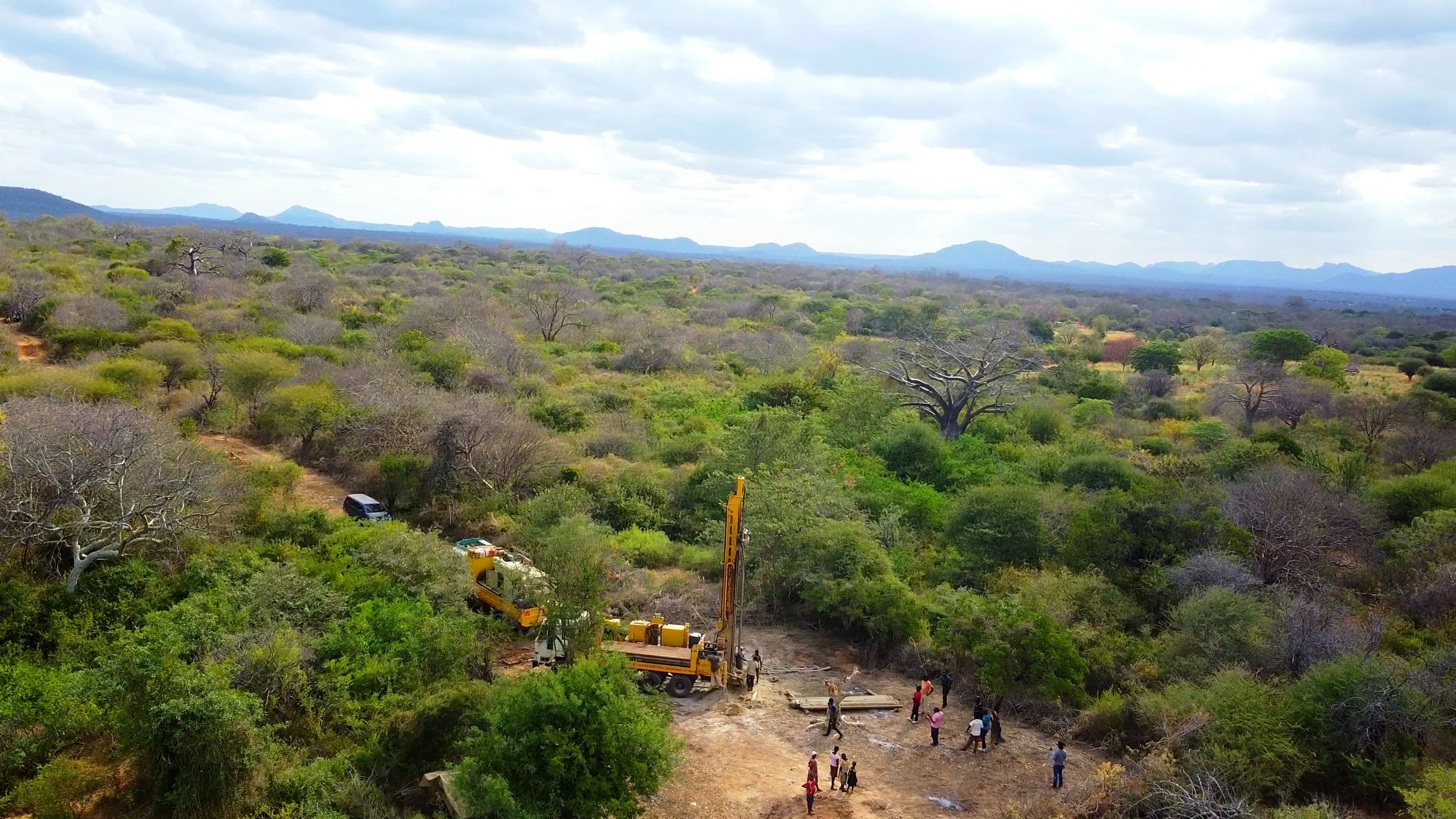
The vision for the land is not a conventional ministry campus. The team imagines an intentional Christian community built around prayer, discipleship, work, shared life, and mission.
We have begun referring to the property as Shiloh.
The first phase of the vision is a place of prayer: a gathering spot for the regional church to come and seek the Lord.
Prayer retreat centers are a big deal in East Africa, but the nearest comparable location is several hours away. There is nothing in the region like what we believe the Lord is inviting us to build: a dedicated prayer chapel located on a high place in the region that serves as a focal point for God's people to seek Him in fasting and prayer, surrounded by individual huts and bunkhouses to house the pilgrims who come to gather.
The Kenyan team wants Shiloh to become a place where pastors, leaders, families, and entire churches can withdraw from normal routines and give concentrated time to the Lord.
Eventually, the property could also include a community center, a Bible school, larger meeting spaces, and small cabins for prayer retreats.
The Discipleship House
Another desire for the Shiloh property and neighboring land is a half-way house ministry to disciple former inmates.
At the moment, Kenya has very few options for men leaving prison who need help transitioning back into society. Many return to the same environment, relationships, habits, and pressures they knew before incarceration.
The team wants to create another path.
Their vision is to begin with a home for approximately twenty men. The men would live together for at least six months and receive daily, life-on-life discipleship. They would learn practical skills such as carpentry and welding. They would participate in developing the property and serving surrounding villages.
The goal is not merely to give someone a bed.
It is to help rebuild a life.
"The goal is not merely to give someone a bed. It is to help rebuild a life."
Local government leaders have already expressed support for the idea. The program has been approved, and officials have invited members of the team to participate in the transition process for prisoners returning to society.
That kind of open door should not be ignored.
Building out the Shiloh property is a large vision, and we are not pretending it can be accomplished overnight.
Listening to Local Pastors
One of the most significant moments of the trip happened when thirty-three pastors from the Kitui area gathered to meet with us.
Some traveled as far as twenty-five miles. Eight denominations were represented. I later learned that this was the first time many of them had been visited by a pastor from the West.
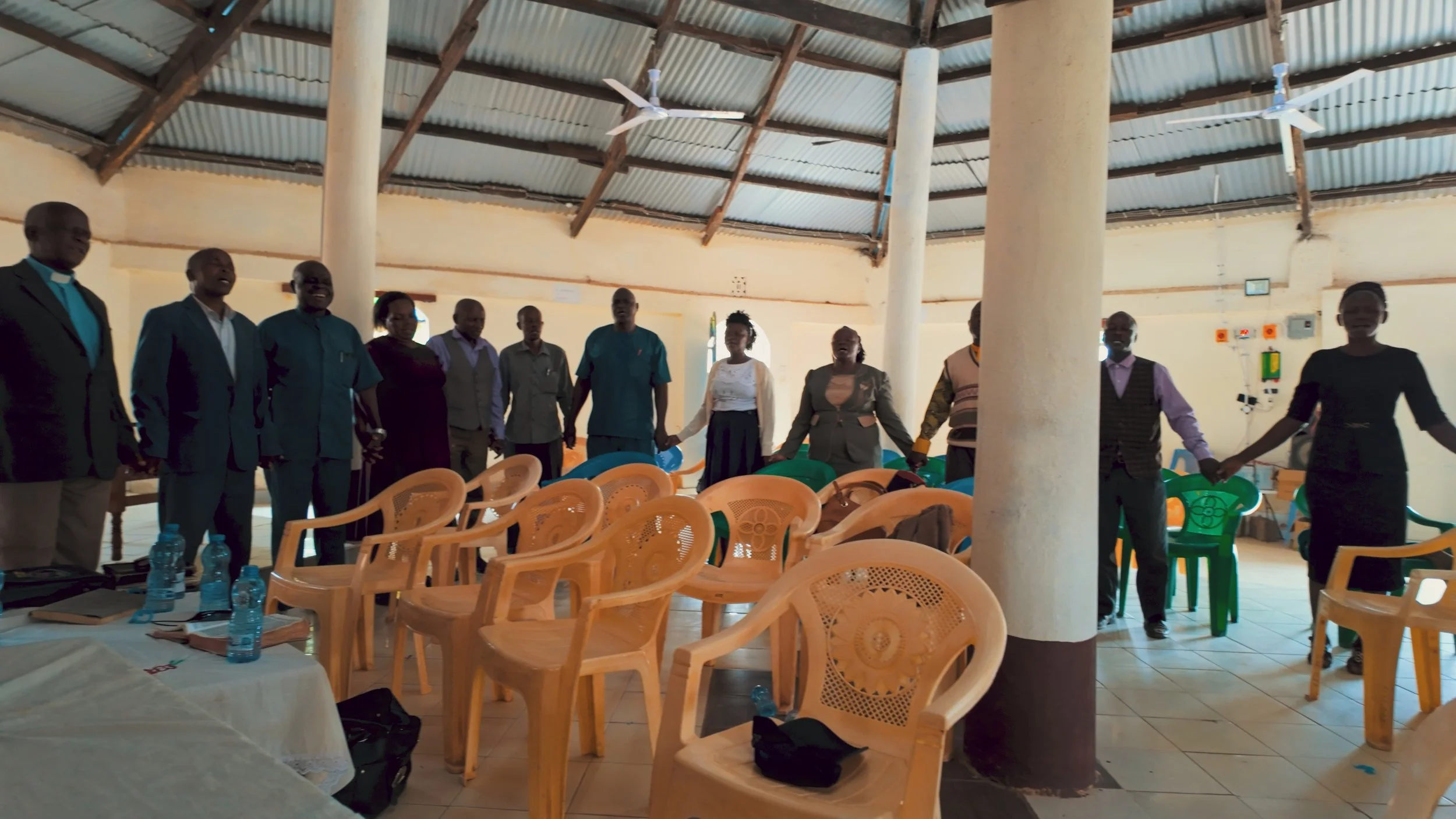
I was determined to steward that meeting well.
I did not want to arrive with a prepackaged American plan and tell Kenyan pastors what their community needed. I wanted to honor them, listen to them, and begin building genuine trust.
I shared from John 4, where Jesus speaks to the woman at the well about water that satisfies more deeply than anything drawn from the ground.
Physical water matters. That is why we drill wells.
But people also need living water.
I asked the pastors to tell me what they believed their region needed most.
Their answers were remarkably consistent.
They spoke of the need for a prayer and discipleship center. They asked for biblical training that would help them teach and lead their churches more effectively. They described the need for a Bible school to equip the next generation. They talked about evangelism, outreach, and gospel gatherings. They also reminded us that the physical needs of their communities — water, food, housing, and poverty — could not be forgotten.
What struck me was how closely their needs aligned with the vision already growing in the hearts of our Kenyan team.
Nobody had coordinated the answers beforehand.
The same themes kept surfacing: prayer, discipleship, leadership development, evangelism, and compassion.
"Physical water matters. That is why we drill wells. But people also need living water."
The Local and Global Church Together
A phrase came into focus for me while I was in Kenya:
Strengthen the local church by supporting the global church.
Churches in the West have received tremendous resources. We have training, finances, technology, experience, and access to biblical materials.
Those things were never meant to be solely for us.
At the same time, the church in Kenya carries things the Western church desperately needs to encounter: perseverance, hunger, hospitality, sacrificial prayer, and a willingness to trust God with very little visible security.
This is not a relationship where one side has everything and the other has nothing.
We need one another.
"Strengthen the local church by supporting the global church."
I believe Kenya can become an important meeting place between these parts of the body of Christ. Teams could eventually serve through pastoral training, children's ministry, evangelism, medical work, construction, and prayer.
But our goal is not short-term activity.
Our goal is long-term relationship.
The ground in Kitui has already been prepared through years of faithful work, prayer, and investment. There is a trusted team in place. Local pastors are open. Government officials are supportive. Land has been secured. Water is flowing.
We still have much to discern, plan, and build.
But something is beginning.
And I believe what God is forming in Kitui could serve that region — and strengthen churches far beyond it — for many years to come.
One well changes a village. Shiloh could change a region.
Your gift drills the next well and helps build the prayer and discipleship center rising at Shiloh in Kitui.